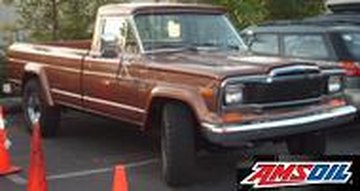
Engine Lubrication Maintenance for the 1981 Jeep J10 PICKUP 5.9L
Maintaining a large-displacement engine requires consistent attention to lubrication quality and system integrity. For the 1981 Jeep J10 PICKUP equipped with the 5.9L engine, regular service is a fundamental aspect of long-term ownership. Because these vehicles are often subject to varying operational demands, understanding how to monitor and manage engine oil is essential for preserving mechanical health.
Monitoring Fluid Condition and Potential Leaks
A primary component of routine maintenance involves the visual inspection of the engine bay for any signs of fluid movement. For an older vehicle, it is useful to check for evidence of seepage around various sealing surfaces. Rather than assuming a specific part has failed, owners should look for wetness or residue on the underside of components and along the edges of the engine block.
When performing these inspections, consider the following:
- Surface Seepage: Look for oily residue that may have collected dust or debris, which can indicate a slow leak from a gasket or seal.
- Drainage Areas: Inspect the area beneath the vehicle after it has been parked for an extended period to see if any fluid is accumulating on the ground.
- Fluid Appearance: If you are able to check the oil level using a dipstick, observe the color and texture of the lubricant. Significant discoloration or a gritty texture can warrant further investigation into the engine's internal cleanliness.
If you notice unusual amounts of fluid loss or see fresh pooling under the vehicle, these symptoms should be investigated to prevent potential damage from low oil levels.
Managing Maintenance Records and Service History
For many owners of a 1981 Jeep J10 PICKUP, the vehicle's history may not always be documented. When ownership begins without a clear paper trail, establishing a maintenance baseline becomes a priority. This involves documenting every service performed from that point forward to create a reliable history for future repairs or resale.
Keeping a detailed log of oil changes, filter replacements, and any observed mechanical changes allows you to identify patterns. For example, if you notice that the frequency of oil consumption increases over several months, having a record of exactly when the last service occurred can help you determine if the change is gradual or sudden. A well-maintained record helps distinguish between normal aging processes and issues that require immediate professional attention.
Observing Potential Warning Signs
While many mechanical issues develop slowly, some signs require more immediate attention. It is important to recognize that a single symptom can be associated with several different underlying causes, so diagnostic investigation is necessary rather than jumping to conclusions about a specific part.
Be mindful of the following indicators:
- Changes in Engine Sound: Any new or unusual mechanical noises during startup or while idling should be noted.
- Exhaust Observations: While exhaust color can be influenced by many factors, changes in what is being emitted from the tailpipe may indicate that something is entering the combustion process.
- Warning Indicators: If the vehicle is equipped with oil-related warning lights or gauges, any deviation from normal operating ranges should be treated as a priority for inspection.
If you encounter these signs, it is best to consult service manuals or a qualified technician to determine the exact cause rather than attempting to guess which component may be at fault.
Prioritizing Service Tasks Based on Condition
As vehicles age, maintenance strategies often shift from strictly following a calendar to focusing on the actual condition of the components. For a 1981 Jeep J10 PICKUP, this means using current observations to decide where to direct your efforts and budget.
Instead of replacing parts simply because they are old, focus on addressing active concerns first. This includes attending to any visible leaks, investigating unusual noises, or responding to changes in how the engine behaves under load. If the vehicle has been well-maintained, you may find that many components remain in good condition despite their age. Conversely, if there is evidence of previous neglect, such as heavy sludge buildup or dried-out hoses (if present), your priority should be restoring a clean and stable operating environment.
Distinguishing between preventive maintenance—such as changing oil to prevent future wear—and unnecessary parts replacement is key to efficient ownership. Always prioritize tasks that directly impact the engine's ability to operate smoothly and safely.
Inspecting Auxiliary Components
While the engine oil is central to lubrication, other components in the engine compartment play a role in overall system health. During routine service, it is practical to inspect accessible parts that may be subject to wear over time.
If equipped, check any visible drive belts for signs of deterioration such as cracking, glazing, or fraying. Similarly, if the vehicle has various hoses present, inspect them for softness, bulging, or leaks at the connection points. Ensuring that electrical connections and wiring harnesses are secure and free from corrosion can also prevent intermittent issues that might otherwise be mistaken for mechanical failures.
Practical Guidance for BUYING ENGINE OIL for your 1981 Jeep J10 PICKUP 5.9L
When it is time to replenish the engine lubricant, the most important step is to ensure the product matches the specific requirements of your engine. Because different engines have unique needs regarding chemical composition and protection levels, you should not rely on general automotive knowledge or assumptions based on the vehicle's age.
To select the correct oil for your 1981 Jeep J10 PICKUP 5.9L, follow these steps:
- Match Application Information: Refer directly to the application-specific viscosity and lubricant information provided on this webpage. This is the most accurate way to ensure you are using the correct grade for your specific engine.
- Verify API Certification: Check the product label to ensure the oil meets current industry standards for quality and performance.
- Consider Formulation Types: Depending on your specific needs, you may choose between conventional, synthetic blend, or full synthetic oils. Some high-mileage formulations also include seal-conditioning additives which may be useful for older engines showing signs of seepage.
- Inspect the Label: Always double-check that the viscosity grade printed on the bottle matches what is required for your vehicle before completing your purchase.
By strictly adhering to the application data provided, you can ensure that your lubrication choices support the continued operation of your 5.9L engine.